6 min read
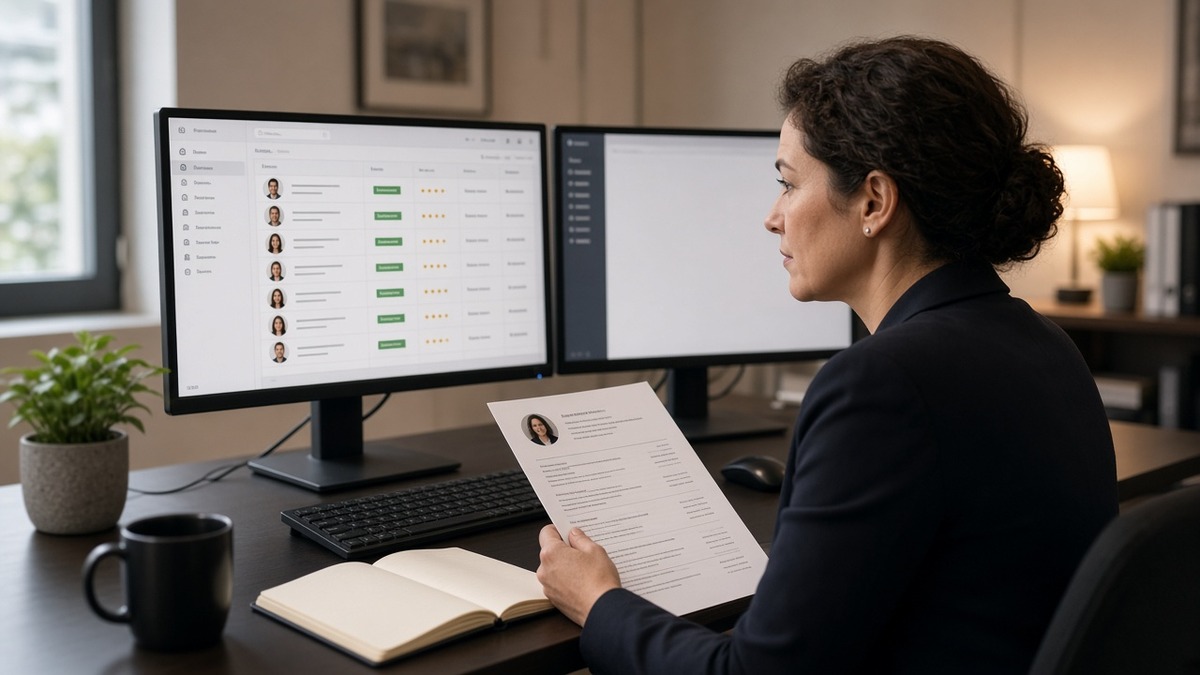
You've polished the layout. You've checked spelling twice. But when a recruiter opens a req with one hundred fifty new applications, she isn't scrolling attachments in upload order. She's in Workday or Greenhouse looking at a grid of parsed names, titles, and employers. Check your resume for free on the exact file you'll upload so title and company show up in those rows before you hit submit.
That's the split most candidates miss. The resume you designed is a document. The record recruiters trust is the profile the parser built from it. When those two don't match, the document loses even if it would impress anyone who actually opened it.
Job searching is draining enough without guessing why silence follows a strong application. The sections below answer the questions candidates ask once they realize the inbox attachment isn't the first thing anyone reads.
Quick wins
- Single-column DOCX or plain PDF so title and employer import into the right ATS fields.
- Put posting keywords in experience bullets, not only in a graphic skills sidebar.
- Read the upload preview field by field before you submit to the live req.
Why recruiters trust ATS more than resumes in the queue
Think about what a recruiter needs in the first ten minutes of screening. She needs every applicant on the same screen, sortable by date, filterable by title, and shareable with a hiring manager who will never open two hundred PDFs. The ATS does that. An email attachment does not.
The system also keeps an audit trail. Notes, stage changes, and rejection reasons sit on the application record. Compliance and HR partners can pull history without hunting through forwarded threads. That reliability is why corporate teams default to the profile, not the file you formatted in Canva last night.
Before: Recruiter gets forty forwarded resumes with different file names and no shared view. She opens the ones with familiar employers first and hopes nothing good sits unopened at the bottom.
After: Same forty candidates appear in one req. She types "financial analyst" into title search, filters to local applicants, and sorts by application date. Everyone on the short list entered through the same gate.
Referrals and internal moves still get flags in the grid. They do not skip parsing. A referred candidate with a garbled upload looks like any other blank employer row until someone fixes the record manually.
How recruiters use ATS before reading resumes walks through the order of operations from submit to attachment open if you want the full pipeline picture.
What can recruiters search that a resume file cannot show?
Parsed fields are the currency. Current title, current employer, location, years flagged by the system, education lines, and skills buckets all become columns and filters. Keyword search runs against those buckets and against raw text the parser kept. Your PDF might mention "SOX" six times, but if those hits never tied to the right job block, the profile search won't surface you.
Recruiters also lean on application metadata: date applied, source, referral flag, knockout answers on work authorization or salary range. None of that lives in your resume design. It lives on the ATS record recruiters trust when they build a short list to forward.
Copy-paste employer block recruiters filter on:
Northwind Bank
Senior Financial Analyst
March 2020 to Present
• Built monthly variance decks for three business units in Excel and Looker
• Supported SOX testing on revenue recognition controls across two close cycles
Before: Skills sit in a left column that imports first. Search hits "Python" but attaches it to the wrong job dates in the grid.
After: Python appears in a bullet under the data analyst role where you used it for twelve months. Title, employer, and skill stay linked in the profile recruiters forward.
Hiring managers often see a trimmed batch after recruiter screen. They still read the parsed headline first in many tools. A strong bullet on page two never loads if your name never made the forwarded list.
AI-assisted ranking sits on some teams in the same pipeline. AI resume screening before a human sees it covers what changes when sorting runs before a recruiter logs in Monday morning.
When does a polished resume still lose to the ATS record?
The failure mode is almost always a parse gap, not a talent gap. Two-column PDFs, icons, tables, and image-only scans produce empty or scrambled fields. Creative titles like "Revenue Wizard" do not match filters set to "Account Executive." Skills trapped in a graphic sidebar never enter structured search.
I've skipped opening attachments when the grid showed a blank current employer on a req that required Fortune 500 banking experience. The PDF might have listed Chase on page one. The parser never put it in the field I filtered on.
Before: Candidate uploads a designed PDF. Parsed profile shows "Graphic Designer" as current title because the sidebar label imported before the real job block.
After: Single-column file with employer and title on separate lines. Parsed profile shows "Financial Analyst" at "Northwind Bank," matching what the recruiter will type into search.
- Upload preview ignored: blank phone or scrambled dates stick on that application forever.
- Keywords only in a skills list: bullets carry the weight search ties to job history.
- Wrong file layer: image PDFs produce empty profiles recruiters dismiss in one glance.
- Generic file for every posting: the profile exists but does not rank when keyword sort runs.
Recruiters are not ignoring you out of malice. They're working a queue built on fields your file fed the system. Fix the feed and you enter the same results as candidates with weaker experience but cleaner parses.
How do you preview the profile recruiters actually trust?
Extract plain text from your resume the way a parser would. Read only that dump for sixty seconds. If you cannot tell current title and employer from the text, the recruiter grid will not either.
Run the ATS check on the file you'll upload, fix any field that imports wrong, then re-test until the preview matches what you intend to show in the req.
Generate a cover letter when the posting asks for one, using the same job title string in the Experience block so contact details and role names stay aligned across documents.
Win the record before you win the read
Why recruiters trust ATS more than resumes comes down to what they can search, sort, and share. Your PDF is verification. The parsed profile is the interview before the interview. Give the parser a plain file, mirror the posting in bullets, and confirm the upload preview so you show up when someone types your title into the bar.
Read more
Frequently asked questions
Usually no. They open the requisition grid first, scan parsed title and employer fields, run keyword filters, and only then click attachments on the short list. The PDF is a verification step, not the starting point. If your profile row looks empty or wrong, many recruiters never open the file.
Because the ATS record is searchable, sortable, and shareable with hiring managers and compliance. Everyone sees the same title string, application date, and notes. A PDF in an inbox cannot be filtered by location or skill across two hundred applicants in one click.
Yes. Two-column layouts, image PDFs, and creative section labels often import into wrong fields or blanks. Recruiters filter on those structured rows. Your bullet about SQL on page two does not help if the skills field never populated and the title filter excludes you.
Run a plain-text extraction on the file you will upload. Confirm current title, employer, dates, and phone land in the right order. Mirror posting keywords in experience bullets, not only in a sidebar. Re-check the employer's upload preview if the portal shows one.