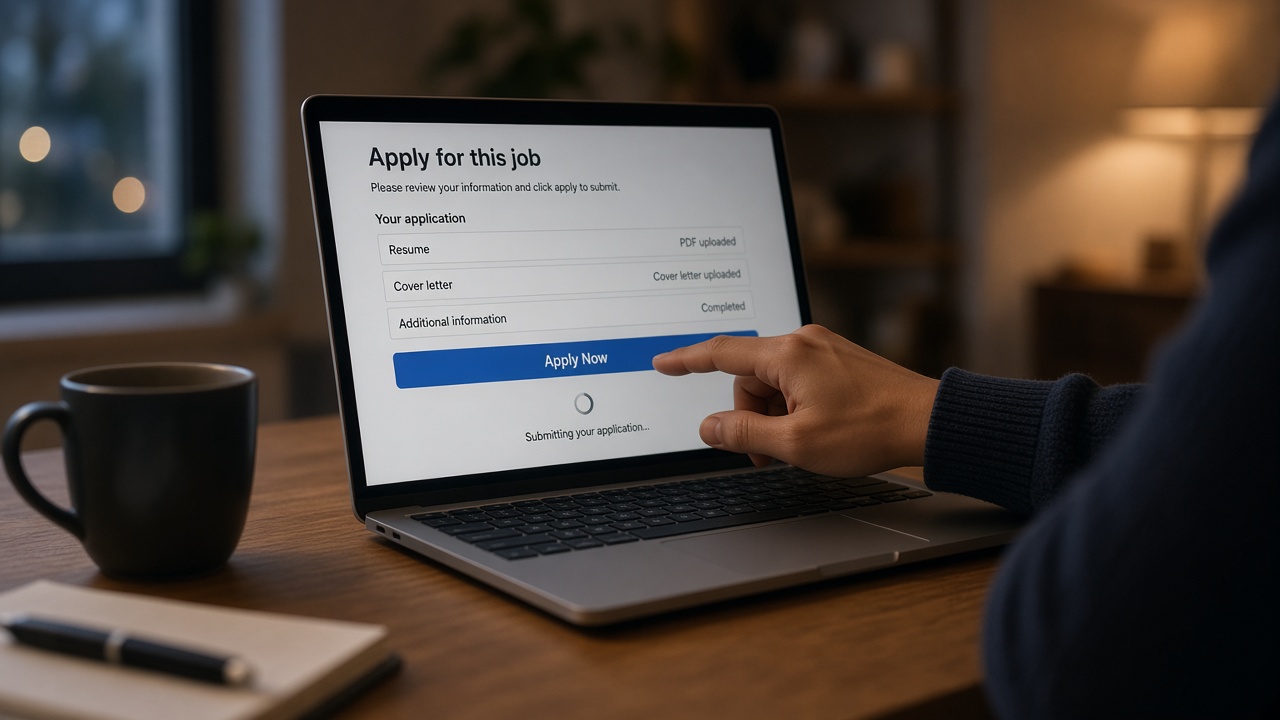
Submitting a resume is often seen as the end of a daunting process, but in reality, it's just the beginning of another critical phase. Many job seekers are left wondering what happens to their resume the moment they hit 'send'. Understanding this journey can transform how you approach your job search, ensuring your resume doesn't just disappear into the proverbial black hole. This guide aims to demystify the post-submission journey of a resume, shedding light on the crucial steps that follow and providing actionable insights to improve your chances of landing an interview.
Every resume enters a system that's designed to filter, rank, and assess its alignment with the job description. Knowing how these systems work and what hiring managers are looking for can give you a competitive edge. For instance, did you know that over 75% of resumes are never seen by human eyes, filtered out by Applicant Tracking Systems (ATS)? If your resume isn't optimized for these systems, it could be missed entirely, regardless of your qualifications.
In this article, you'll learn about the entire resume journey, including:
- How ATS systems work and affect your application
- The key elements that make a resume stand out
- Common mistakes that can derail your chances
- Best practices for resume submission
- Real-world scenarios and examples
- Advanced tips for career advancement
- Tools and resources to enhance your job search
Armed with this knowledge, you can tailor your resume to meet the stringent demands of modern hiring processes, increasing your chances of securing that all-important interview.
Understanding the Resume Journey: Why It Matters
The journey of a resume post-submission is crucial for job seekers to understand. When you submit your resume, it doesn't just land in the inbox of a recruiter or hiring manager. Instead, it often enters a complex system designed to efficiently manage the influx of applications, especially in high-volume environments. This system, typically known as an Applicant Tracking System (ATS), plays a significant role in determining whether your resume makes it to the next stage.
An ATS is a software application that automates the hiring process by managing resumes and applications. It filters applications based on set criteria, such as keywords, skills, and qualifications, helping recruiters identify the most suitable candidates quickly. The significance of ATS in today's hiring landscape cannot be overstated. According to recent surveys, over 98% of Fortune 500 companies use ATS software to streamline their recruitment process. This underscores the need for job seekers to ensure their resumes are ATS-friendly.
Understanding this journey matters because it affects how you should prepare your resume. A resume optimized for ATS can drastically improve your chances of being noticed. For instance, incorporating relevant keywords, using a clean and readable format, and focusing on quantifiable achievements can enhance your resume's compatibility with these systems. By grasping the intricacies of the resume journey, you can tailor your applications to meet the specific requirements of both ATS and human reviewers, thereby increasing your chances of landing an interview.
Key Elements of a Successful Resume
Crafting a resume that captures attention requires a careful balance of content and design. The following key elements are crucial in ensuring your resume stands out in both ATS and manual reviews:
1. Targeted Keywords
Keywords are the backbone of a resume's success in the ATS world. These are words or phrases that directly relate to the job description and industry. For example, if you're applying for a software development position, incorporating terms like "JavaScript," "React," and "Agile" could be beneficial. It's important to analyze the job description and integrate relevant keywords naturally into your resume. This not only helps with ATS but also shows recruiters you have the specific skills they're seeking.
2. Quantifiable Achievements
Recruiters and hiring managers are drawn to resumes that highlight achievements, especially when they are quantifiable. Instead of simply listing duties, focus on your accomplishments using numbers and data. For instance, "Increased sales by 30% in six months," or "Managed a team of 10 developers to deliver projects 15% faster than the previous year." Such statements provide clear evidence of your capabilities and impact.
3. Professional Formatting
The format of your resume can significantly influence its readability and overall first impression. A clean, well-organized layout is crucial. Use consistent fonts, sizes, and structured sections. Avoid overly complex designs or graphics that can confuse ATS systems. A professional format ensures your resume is easy to read and understand, increasing the likelihood that your skills and experiences are effectively communicated.
4. Tailored Content
Tailoring your resume for each job application might seem time-consuming, but it's a strategy that pays off. Customizing your resume to align with the specific requirements of each role demonstrates your genuine interest and suitability for the position. Highlight the skills and experiences most relevant to the job, making it clear that you are an ideal candidate.
Common Mistakes to Avoid
Even a well-crafted resume can fall short if it contains avoidable errors. Understanding these common pitfalls can help you refine your resume to perfection:
1. Overloading with Information
One of the most frequent mistakes is packing your resume with too much information. While it's essential to provide a comprehensive overview of your skills and experiences, excessive detail can overwhelm the reader and obscure your key qualifications. Focus on the most relevant information and ensure it's presented clearly and concisely.
2. Using a One-Size-Fits-All Approach
Sending out the same resume for every job application is a missed opportunity. Each position has unique requirements, and your resume should reflect that. Tailor your resume for each job, highlighting the skills and experiences that best match the job description.
3. Ignoring ATS Compatibility
Neglecting to optimize your resume for ATS can be a critical error. Many candidates are unaware that ATS systems may reject resumes with complex formatting or lacking specific keywords. Ensure your resume is ATS-friendly by using standard fonts, avoiding uncommon file types, and incorporating relevant keywords.
4. Neglecting to Proofread
Spelling and grammatical errors can undermine your professionalism and attention to detail. Always proofread your resume multiple times and consider having someone else review it. A fresh pair of eyes can catch mistakes you might have missed.
5. Lack of Specificity
Vague statements about your responsibilities or achievements can dilute the impact of your resume. Be specific about your roles, projects, and accomplishments. Instead of saying "Improved sales," provide details like "Increased sales by 20% over six months through targeted marketing strategies."
Best Practices for Resume Submission
Once your resume is ready, it's important to submit it in a manner that maximizes its chances of being noticed. Here are some best practices to follow:
1. Follow Submission Instructions
Every job posting is unique, and so are the submission instructions. Whether it's the file format, subject line, or additional documents required, adhering to these instructions is crucial. Overlooking these details can result in your application being disregarded.
2. Choose the Right File Format
PDF is generally the safest choice for submitting resumes, as it preserves formatting and is widely accepted by ATS. However, if a job posting specifies a particular format (e.g., Word document), ensure you comply to avoid technical issues.
3. Personalize Your Application
Whenever possible, address your cover letter to a specific person rather than using a generic greeting. This small effort can demonstrate your attention to detail and genuine interest in the role. Additionally, referencing the company's mission or values in your cover letter can further personalize your application.
4. Use a Professional Email Address
Ensure the email address you use for submissions is professional. Ideally, it should be a variation of your name. An unprofessional email address can negatively impact the first impression you make on potential employers.
5. Submit During Optimal Times
Timing can play a role in getting your application noticed. Submitting your resume during regular business hours, particularly early in the week, can increase the likelihood of your application being reviewed promptly. Avoid submitting late at night or during weekends when it might end up buried under other applications.
Real-World Scenarios and Examples
Examining real-world scenarios can provide valuable insights into how resumes are evaluated and what leads to success:
1. The Tale of Two Developers
Consider two developers, Alex and Jamie, applying for a senior software engineering position. Alex's resume was packed with technical jargon and extensive project lists, but lacked clear achievements and ATS optimization. Jamie, on the other hand, tailored their resume for the role, highlighting specific projects that matched the job requirements and using relevant keywords. Despite similar experience levels, Jamie was invited for an interview while Alex's application was overlooked.
2. The Marketing Manager's Strategy
A marketing manager named Sarah crafted her resume to emphasize her leadership in a major campaign that increased brand engagement by 40%. She included metrics and tailored her resume to reflect the company's focus on data-driven marketing. Her approach not only impressed the ATS but also caught the eye of the hiring manager, leading to a successful interview and eventual job offer.
3. The Importance of Follow-Up
After submitting his resume for a project management role, Mike didn't hear back for weeks. Instead of waiting indefinitely, he followed up with a polite email reiterating his interest and qualifications. This proactive approach prompted the recruiter to revisit his application, and he was subsequently called in for an interview. This scenario highlights the importance of maintaining communication post-submission.
Advanced Tips for Career Advancement
For those looking to take their resume to the next level, consider these advanced tips:
1. Leverage LinkedIn
Ensure your LinkedIn profile complements your resume. Many employers will check your online presence to corroborate your experience and achievements. Keep your profile updated and aligned with your resume to present a consistent professional image.
2. Use Quantitative Metrics
Whenever possible, quantify your achievements. Metrics provide concrete evidence of your impact and can set your resume apart. For instance, "Reduced overhead costs by 15%" is more compelling than "Responsible for reducing costs."
3. Incorporate Industry-Specific Language
Using industry-specific terminology can demonstrate your familiarity with the field and resonate with both ATS and human reviewers. However, ensure that jargon is used appropriately and doesn't obscure the clarity of your resume.
4. Highlight Soft Skills
While technical skills are crucial, soft skills such as leadership, communication, and problem-solving are equally important. Highlight these skills with specific examples that showcase your ability to apply them in the workplace.
5. Keep it Updated
Regularly updating your resume ensures that it accurately reflects your latest experiences and achievements. Even if you're not actively job searching, keeping your resume current can help you seize unexpected opportunities.
Step-by-Step Guide: Optimizing Your Resume for Submission
Creating a resume that stands out involves several key steps. Here's a detailed guide to help you optimize your resume for submission:
Step 1: Analyze the Job Description
Begin by thoroughly reviewing the job description. Identify the key skills and qualifications that the employer is seeking. Note any specific keywords or phrases that are repeated throughout the listing, as these will be crucial for ATS optimization.
Step 2: Tailor Your Content
With the job description in mind, tailor your resume content to highlight the most relevant experiences and skills. Focus on achievements that demonstrate your ability to meet the employer's needs, and incorporate the identified keywords naturally into your resume.
Step 3: Format for ATS Compatibility
Ensure your resume is ATS-friendly by using a clean and simple format. Avoid using images, intricate designs, or unusual fonts that could confuse the system. Stick to a standard format with clear headings and bullet points for easy readability.
Step 4: Proofread and Edit
Proofread your resume for any spelling or grammatical errors. Consider using tools like Grammarly to catch mistakes you might have missed. A polished resume reflects your attention to detail and professionalism.
Step 5: Follow Submission Guidelines
Before submitting your resume, double-check the job posting for specific submission instructions. Ensure you're using the correct file format and including any additional documents requested by the employer.
Step 6: Submit and Follow Up
After submitting your resume, consider following up with a polite email to express your continued interest in the position. This proactive step can keep you top of mind with recruiters and demonstrate your enthusiasm for the role.
Tools and Resources for Resume Success
Leverage these tools and resources to enhance your resume and job application process:
- Grammarly: A valuable tool for proofreading your resume and ensuring it is free from grammatical errors.
- Jobscan: A platform that analyzes your resume against job descriptions to identify missing keywords and improve ATS compatibility.
- Canva: Provides customizable resume templates to help you create visually appealing and professional resumes.
- LinkedIn: A professional networking platform to showcase your resume and connect with potential employers.
- Zety: Offers resume builder tools and templates to help you craft a polished and tailored resume.
Conclusion
Understanding what happens to your resume after submission is crucial for navigating the modern job market. By optimizing your resume for ATS systems and tailoring it to meet the specific requirements of each job, you can significantly enhance your chances of securing an interview. Avoid common pitfalls, follow best practices, and leverage available tools to ensure your resume stands out for all the right reasons.
The journey of a resume is a complex but navigable process. With the right strategies, you can take control of this journey, making your applications more effective and increasing your opportunities for career advancement. Stay informed, adaptable, and proactive, and you'll be well on your way to achieving your professional goals.
Remember, your resume is more than just a document—it's your professional story. Make sure it's one that captures attention and leaves a lasting impression.
Frequently asked questions
An Applicant Tracking System (ATS) is a software application used by employers to manage the recruitment process. It automates the sorting and filtering of resumes, helping recruiters identify qualified candidates more efficiently. ATS systems scan resumes for keywords, skills, and qualifications that match the job description.
To make your resume ATS-friendly, use a simple format without images or complex designs. Incorporate relevant keywords from the job description naturally into your content. Stick to standard file formats like PDF or Word, and avoid using uncommon fonts or styles that could confuse the system.
Key elements of a resume include targeted keywords, quantifiable achievements, professional formatting, and tailored content. These components help your resume stand out in both ATS and manual reviews, increasing your chances of securing an interview.
Yes, tailoring your resume for each job application is crucial. Customizing your resume to align with the specific requirements of each role demonstrates your genuine interest and suitability for the position. It ensures that your resume highlights the most relevant skills and experiences for the job.
It's advisable to update your resume regularly, even when you're not actively job searching. Keeping your resume current ensures it accurately reflects your latest experiences and achievements, allowing you to seize unexpected opportunities when they arise.
If you don't hear back after submitting your resume, consider following up with a polite email to express your continued interest in the position. This proactive step can keep you top of mind with recruiters and demonstrate your enthusiasm for the role. However, be mindful of the company's communication preferences and avoid excessive follow-ups.
Done for you
Turn this advice into an interview-ready resume
Professional writers rebuild your resume for ATS + recruiters — unlimited revisions, interview guarantee.