9 min read

How Keyword Context Affects ATS Scores: Mastering Resume Optimization

HireFlow Editorial Team
August 19, 2026

Discover how keyword context impacts ATS scores and learn strategies to optimize your resume for successful job applications.

Navigating the job market often feels like deciphering a complex puzzle, with many pieces that need to fit perfectly. One critical piece is understanding how keyword context affects ATS scores. For many job seekers, the first hurdle is not the interview room, but rather the applicant tracking systems (ATS) that screen resumes. These systems can seem like an impenetrable barrier if you're not familiar with how they operate.

Imagine you've spent hours crafting your resume, only for it to be rejected due to a lack of specific keywords. This isn't just frustrating—it's a missed opportunity. Many applicants don't realize that while they might use the right keywords, the context in which those keywords are used can significantly affect their ATS scores. This nuanced understanding can be the difference between your resume being filtered out or making it to a hiring manager's desk.

In this comprehensive guide, you will learn:

  • Why keyword context matters in your resume
  • The key elements of ATS-friendly applications
  • Common mistakes to avoid when selecting keywords
  • Best practices for optimizing keyword context
  • Real-world examples of effective keyword use
  • Advanced tips for mastering ATS systems
  • A step-by-step guide to improving your resume's ATS score

Why Keyword Context Matters

The significance of keyword context in resumes is often underestimated. While keywords themselves are vital, their context can determine how effectively your resume will be interpreted by an ATS. Many systems are designed to look for specific phrases or combinations of words that demonstrate proficiency and relevance to the job description. Simply listing keywords in isolation can lead to misinterpretation or dismissal by the ATS.

For instance, consider two candidates applying for a software developer position. One lists "JavaScript" in a skills section, while another writes, "Developed a JavaScript-based application to streamline data processing, improving efficiency by 30%." The latter provides context, showcasing not only knowledge of JavaScript but also the ability to apply it effectively—something the ATS is programmed to recognize and prioritize.

Incorporating keywords naturally into the context of your achievements and responsibilities allows ATS to better evaluate your capabilities. This approach helps your resume rise above those that merely list skills without demonstrating their application. By understanding and applying this principle, job seekers can significantly enhance their chances of progressing through the ATS stage.

Key Elements of ATS-Friendly Resumes

Creating an ATS-friendly resume involves more than just including the right keywords. It requires a strategic approach to how those keywords are integrated throughout the document. Here are the key elements to focus on:

Relevant Job Titles and Synonyms

When listing your past roles, ensure that job titles match those used in the job description to increase relevancy. Synonyms can also be beneficial, as ATS may recognize related terms that reflect the same job function.

Skills and Competencies

Identify the core skills and competencies required for the position and weave them into your descriptions of past roles and achievements. This not only highlights your qualifications but also aligns your experience with the job's demands.

Quantifiable Achievements

Use numbers and metrics to give context to your achievements. For example, "Increased sales by 20%" provides concrete evidence of your impact, which is something ATS and hiring managers look for.

Industry-Specific Terms

Incorporate industry jargon and specific terms that are relevant to the job. This not only demonstrates your familiarity with the industry but also increases the likelihood of your resume being picked up by ATS filters.

Professional Formatting

A clean and simple format is crucial. Avoid complex layouts, as ATS can struggle to parse information presented in tables or graphics. Stick to a straightforward, text-based format.

Common Mistakes to Avoid

Understanding common pitfalls can save job seekers from unnecessary rejections. Here are frequent mistakes to be aware of:

Keyword Stuffing

Overloading your resume with keywords without context can lead to a lower ATS score. The system may flag your resume as spammy, reducing its credibility.

Ignoring Job Description Language

Failing to tailor your resume to the language of the job description can result in missed opportunities. Each application should be customized to reflect the specific keywords and phrases used by the employer.

Using Fancy Formats

Complex designs may look appealing to the human eye but can confuse ATS. Stick to simple formats to ensure all information is accurately parsed.

Omitting Keywords Altogether

Some candidates forget to include critical keywords entirely, which can prevent their resumes from being seen. Always review the job description to ensure all relevant terms are included.

Lack of Context

Simply listing skills without demonstrating how they were used in past roles can hinder your resume's effectiveness. Provide context to show how each skill contributed to your previous successes.

Best Practices for Optimizing Keyword Context

To maximize your resume's potential, consider these best practices for optimizing keyword context:

Align with Job Descriptions

Study the job description closely, noting the specific phrases and terminology used. Mirror these in your resume to ensure alignment and relevancy.

Demonstrate Value

Rather than merely stating skills, demonstrate their value by providing examples of how they've been applied successfully in past roles. This adds depth and context that ATS can recognize.

Use Action-Oriented Language

Action verbs like "developed," "managed," and "implemented" provide a dynamic context that highlights your active contributions, making your resume stand out in ATS evaluations.

Keep It Relevant

Focus on including only those keywords and contexts that are directly relevant to the position. Irrelevant information can dilute the impact of your resume.

Consistency Across Documents

Ensure consistency between your resume and other application materials, such as your cover letter and LinkedIn profile. This reinforces your message and improves ATS scoring.

Real-World Examples of Effective Keyword Use

Seeing how others have successfully navigated the ATS landscape can provide valuable insights. Here are some real-world examples:

Example 1: Marketing Manager

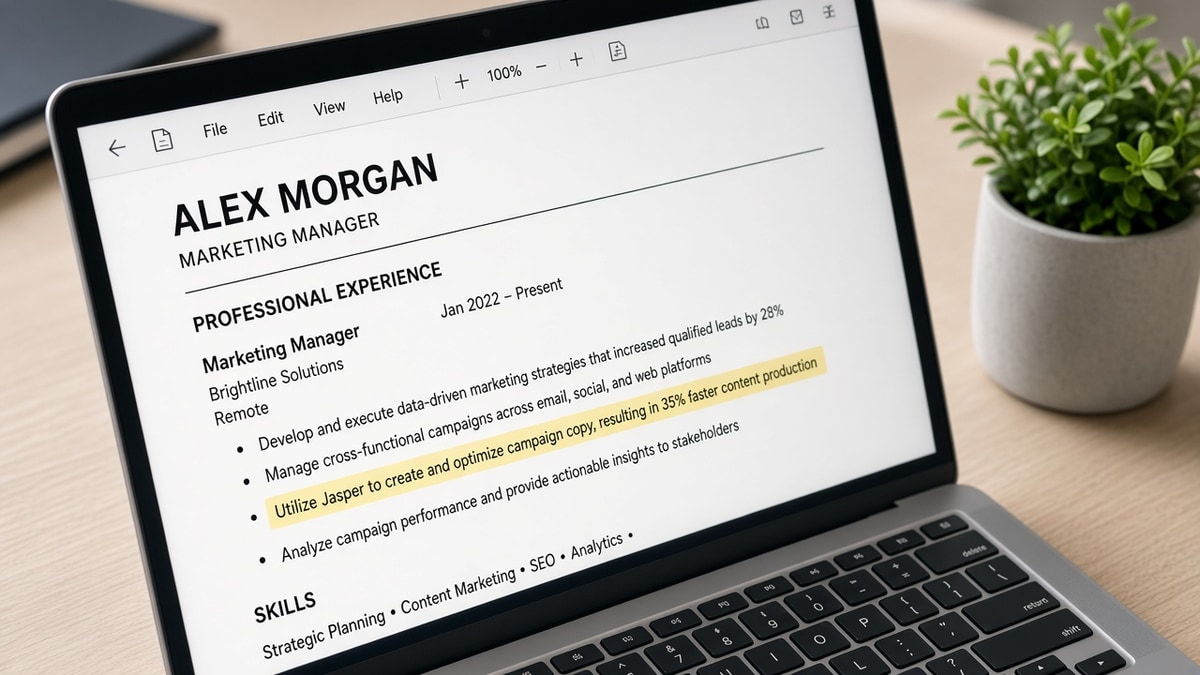
A marketing manager looking to transition into a digital marketing role used keywords like "SEO strategies" and "content marketing campaigns" within the context of achievements such as "Led a team to execute SEO strategies that increased organic traffic by 50% over six months." This not only highlights the use of keywords but also quantifies success, making it more appealing to both ATS and hiring managers.

Example 2: Software Developer

A software developer incorporated terms like "JavaScript" and "React" into descriptive contexts: "Developed a React-based web application that improved user engagement by 40% through optimized JavaScript performance." This example illustrates how providing context and results alongside keywords can improve ATS scores.

Example 3: Project Manager

A project manager seeking a new role included keywords such as "project lifecycle management" and "stakeholder communication" within contexts like "Managed project lifecycle from initiation to closure, enhancing stakeholder communication and delivering projects 20% under budget." This context underscores the candidate's experience and achievements, boosting their resume's ATS performance.

Advanced Tips for Mastering ATS Systems

For those looking to go beyond the basics, consider these advanced tips to further enhance your resume's ATS compatibility:

Utilize Semantic Keywords

Incorporate semantic keywords, which are conceptually related terms that enhance the natural language processing capabilities of ATS. This can include synonyms or industry-specific jargon that broadens the scope of your resume.

Optimize for Multiple ATS

Different companies use different ATS platforms, each with unique parsing methods. Research common platforms and tailor your resume to align with their specific requirements and capabilities.

Leverage Professional Editing

Consider hiring a professional resume editor who specializes in ATS optimization. They can provide insights and adjustments that you might overlook, ensuring your resume is as effective as possible.

Regularly Update Your Resume

ATS algorithms evolve, as do the demands of different job markets. Keep your resume updated with the latest industry trends and technologies to maintain its relevance and effectiveness.

Use Online Tools

Utilize online tools that simulate ATS screening. These can help you identify areas for improvement before you submit your resume to potential employers.

Step-by-Step Guide to Improving Your Resume's ATS Score

Improving your resume's ATS score can significantly increase your chances of landing an interview. Follow this step-by-step guide to ensure your resume is optimized:

  1. Analyze the Job Description: Carefully read the job description, highlighting key skills, qualifications, and terminology that are emphasized by the employer.
  2. Identify Core Keywords: Extract core keywords and phrases from the job description that align with your experience and qualifications.
  3. Craft Contextual Sentences: Integrate these keywords into your resume through contextual sentences that demonstrate your achievements and responsibilities.
  4. Quantify Achievements: Use numbers and metrics to give weight to your accomplishments, providing tangible evidence of your skills and impact.
  5. Review and Refine: Use ATS simulation tools to review your resume, identifying any areas for improvement. Refine your content to enhance clarity and relevance.
  6. Ensure Consistency: Cross-check your resume with your LinkedIn profile and other application materials to ensure consistency and reinforcement of key messages.
  7. Proofread Thoroughly: Eliminate any errors, as typos and grammatical mistakes can detract from your professionalism and impact ATS parsing.

Tools and Resources for ATS Optimization

Several tools and resources can aid in optimizing your resume for ATS systems. Here are some that can make a significant difference:

  • Jobscan: A popular tool that compares your resume against job descriptions to highlight areas for improvement and keyword alignment.
  • Resumake: Provides templates designed to be ATS-friendly, ensuring your resume is formatted for optimal parsing.
  • Grammarly: An essential tool for proofreading, helping to eliminate errors and improve the clarity of your resume content.
  • LinkedIn: A valuable platform for aligning your professional profile with your resume, ensuring consistency across your job search materials.
  • Canva: Offers simple design tools that can help you create professional, ATS-compatible resumes without complex formatting.

Conclusion

Mastering the art of resume optimization for ATS is an essential skill for today's job seekers. By understanding how keyword context affects ATS scores, you can significantly enhance your resume's visibility and impact. This involves more than just inserting keywords; it's about weaving them into a compelling narrative that showcases your skills and achievements.

The strategies and insights provided in this guide offer a comprehensive approach to optimizing your resume. From aligning with job descriptions to avoiding common pitfalls and utilizing advanced tips, each step is designed to help you navigate the complexities of ATS systems effectively.

By applying these principles, you'll not only improve your ATS score but also increase your chances of landing interviews and securing the job opportunities you desire. Remember, your resume is a living document—continually refine and adapt it to stay ahead in the competitive job market.

Frequently asked questions

An Applicant Tracking System (ATS) is software used by employers to filter resumes. It scans for keywords, qualifications, and formats to shortlist candidates who best match the job requirements. Understanding how ATS works is crucial for optimizing your resume so it can pass through this initial screening process.

Keywords play a critical role in ATS scoring by signaling the presence of relevant skills and experience. The context in which these keywords are used can enhance their effectiveness, as ATS evaluates not only the presence of keywords but also their relevance and application within the resume.

It's not advisable to use the same resume for all applications. Each job has unique requirements, and tailoring your resume to match the specific job description will improve your chances of being selected by the ATS. Customize your keywords and contexts to align with each position.

ATS may struggle with complex layouts, such as tables or graphics. Keeping your resume format simple ensures all information is parsed accurately. Use standard fonts and a clear, text-based layout to maximize readability and ATS compatibility.

It's advisable to update your resume regularly, especially when you gain new skills, complete significant projects, or change jobs. Regular updates ensure your resume remains current and relevant, improving its effectiveness in ATS screenings.

Tools like Jobscan, Resumake, and LinkedIn's resume builder are excellent resources for checking ATS compatibility. These tools provide insights into keyword optimization and overall resume effectiveness, helping you improve your chances of passing ATS filters.

While some ATS can read PDFs, it's generally safer to submit your resume in a Word document format (.doc or .docx), as this is more universally compatible with ATS systems. Always check the job application instructions for any specific format requirements.

Done for you

Turn this advice into an interview-ready resume

Professional writers rebuild your resume for ATS + recruiters — unlimited revisions, interview guarantee.

Job match tool·Free builder

Tags

keyword contextATS scoresresume optimizationjob applicationapplicant tracking system