9 min read
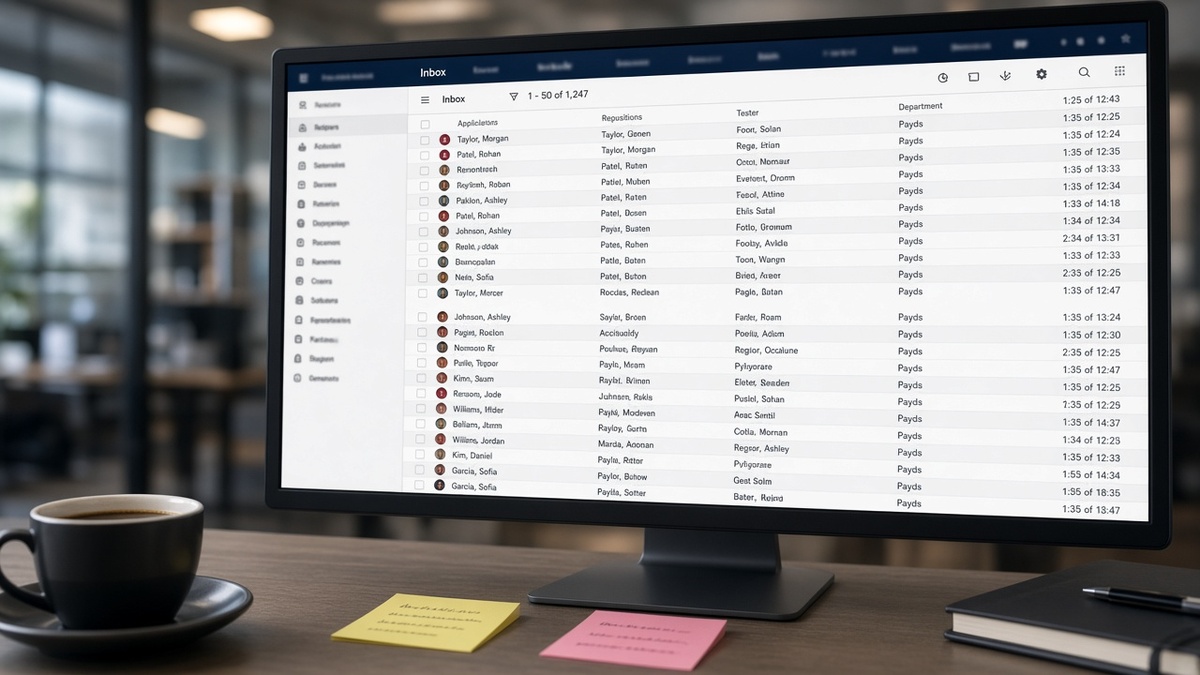
Most applications never get a human read. The file uploads, the confirmation email arrives, and your row sits in a database recruiters sort by date, keyword, or location. If the importer stored a blank Experience block, you're not in the pile they're scrolling. That's the answer in plain terms. You're not invisible because a robot hated your font. You're invisible because the workflow never handed a recruiter a searchable profile.
Volume makes the gap wider. A corporate req can collect hundreds of uploads in a week. Recruiters don't open every PDF. They filter stored fields, skim the first lines of rows that surface, and move on when the slate fills. Before you rewrite bullet wording again, check your resume for free on the exact export you'll attach. You're testing whether the importer can store contact info and Experience, not chasing a vanity score.
Job searching's exhausting without assuming silence means you failed as a candidate. Below you'll see why the inbox works this way, the exceptions where you still might get seen, and what to change before the next Submit click.
When the preview finally looks clean, generate a cover letter that repeats the same employer names and Month Year dates so nothing contradicts on audit.
Quick Wins
- Paste your PDF into plain text and confirm Experience imported in order.
- Fill empty Skills and work-history form boxes on the portal.
- Apply early on reqs where you pass every knockout honestly.
- Save a screenshot when the preview pane looks correct.
Why recruiters never see most applications
The workflow is built for volume, not close reads. Applicant tracking systems store uploads as searchable rows. Recruiters open a req, sort by apply date or keyword, and review what fits the time they have. Rows that never imported cleanly do not enter that sort. Rows at the bottom of a four-hundred-person list rarely get opened before the role closes.
Parser silence is the first gate. Workday, Greenhouse, Lever, and iCIMS read your file once and map fields into a profile. Two-column layouts, header graphics, and footer phone numbers often store as blanks. A recruiter filtering contactable candidates drops you when the phone field is empty even if the PDF attachment looks perfect.
Inbox volume is the second gate. Even clean profiles compete for attention inside the same req. Recruiters skim the first lines of a row: title, employer, first bullet. If those lines do not match the posting's seniority band, they close the file and never return. That skim is fast. It is not a full read of every page you wrote.
Knockout questions are the third gate. Sponsorship, clearance, commute radius, and years-of-experience screens run before keyword ranking on many builds. An honest no can end the journey with a confirmation email and zero human eyes. That's not the same as a recruiter rejecting your bullets.
Auto-rejection emails are rare in many workflows. Silence is the default when no one moves your row forward. That doesn't prove a robot deleted you. It often proves no one searched the field your file never populated.
Humans still make most hire and pass decisions once a profile exists. Your job is to make sure the profile exists with the right fields filled. That's a formatting and form discipline problem more often than a secret algorithm problem.
Volume makes the symptom feel personal. You're competing for attention inside a database, not against a single gatekeeper who read every line and hated your font choice.
I've opened Monday queues with four hundred new rows and quiet parser logs on half of them. Inbox volume is loud. Parser silence is worse because you never know the profile was empty. Fix storage before you argue about keywords.
For the import failures that happen before ranking, read why ATS filters out most applicants . This page focuses on what recruiters actually open after storage succeeds.
What to fix before you apply again
Step 1: Prove the importer stored your row
Before: Two-column Canva PDF. Phone in a footer. Portal preview shows blank email.
After: Single-column DOCX. Name, phone, and email in the first three body lines. Preview matches source line by line.
Copy the export into Notepad. If dates appear above job titles or Skills floats above Experience, the recruiter's search will see the same mess. Flatten layout before you tune wording.
Step 2: Fill portal fields the attachment does not backfill
Before: PDF attached, Skills box empty, work-history dates missing.
After: Same PDF plus skill nouns typed from the posting and Month Year dates mirroring the resume strings.
Recruiters query those boxes directly in many Workday builds. A strong attachment with empty form fields still produces a row that keyword search cannot find.
Step 3: Front-load the first eight words of bullet one
Before: First bullet starts with Responsible for supporting cross-functional initiatives.
After: Owned Salesforce pipeline reporting for 12 enterprise reps, cutting forecast prep time weekly.
Recruiters who do open your row decide quickly. The first bullet under your current employer is the interview gate. Put a tool name and scope in the opening phrase.
Step 4: Time the req and track the preview
Apply when you pass every knockout honestly and the req is still open. Save a screenshot when the preview pane looks right. If silence continues after a clean preview, shift effort toward tighter fit on fewer reqs instead of more identical uploads.
Copy-paste block: ten-minute visibility check
1. Export the exact upload file (PDF or DOCX)
2. Paste into Notepad: contact info present? Y / N
3. Experience before Skills in plain text? Y / N
4. Portal preview matches source row by row? Y / N
5. Skill boxes filled with posting nouns? Y / N
6. Knockout answers honest and compatible? Y / N
7. First bullet opens with a tool or scope noun? Y / N
If any N: fix before the next Submit
Edge case: job boards between you and the employer add a second parser. Direct company sites usually store cleaner rows. When you must apply through a board, still run the plain-text test on the file you attach.
Edge case: mobile photo uploads fail parsing every time. Use a laptop export. Camera PDFs are not readable imports in corporate ATS builds.
For what happens after you click Submit inside the portal UI, see what recruiters actually see after you click apply .
Track which gate blocked you: parser, form field, knockout, or volume cutoff. When screens start after a flatten pass, you know layout was the issue on earlier silent apps. When screens stay silent after clean previews, apply to fewer reqs with tighter fit.
Recheck file size before upload. Some portals reject oversized PDFs without a clear error. Export at normal quality from Word instead of print-ready archives that stall mid-transfer. Under ten megabytes is a safe default for most corporate portals.
Career gaps with honest Month Year boundaries still parse when the layout is flat. Do not hide gaps with year-only blocks that make the importer guess months. A labeled career break line beats a scrambled timeline that fails search.
When two failure modes overlap, fix parser order first, then portal forms, then knockouts. A filled skill box on a two-column file still stores keywords under the wrong employer. Flatten, preview, then type portal fields.
Save a screenshot of the preview pane when it looks correct. If a recruiter later sees a different layout, you have proof of what you submitted. Most disputes are honest parser drift, not conspiracy.
Timing matters after import is fixed. Applying on day one before recruiters open the req can still mean a slow reply. Applying near req close can mean the slate is full. Import health gets you into the sortable pile. It does not control hiring calendar luck.
Headers and footers are repeat offenders in parser failures. Some Workday builds skip them entirely. Move name, city, phone, and email into the top body lines. LinkedIn URL can stay on its own line below email when the posting expects it.
Graphics and icons in contact rows parse as blanks. A phone icon beside the number sometimes drops the digits. Use plain text labels: Phone:, Email:. Boring survives import better than designed contact bars.
Referral links sometimes pre-fill candidate data incorrectly. Compare the preview to your source after using a referral URL. A wrong email on a referral form creates a row you cannot see in your applicant dashboard.
For file-type choices that change import order, read Word resume vs PDF resume for ATS . Pick the format the portal accepts, then test the export.
Exceptions and wrong assumptions
Some paths still get human eyes faster. None of them repair a broken import.
Referrals: A linked referral can flag your row when the system records it correctly. Fix blank contact fields first. A referral on a scrambled profile still stores the same mess.
Internal transfers: Employees often skip the public pile when mobility teams run parallel tracks. External applicants still face volume and parser gates on the public req.
Agency submittals: A recruiter may paste a trimmed profile into the ATS on your behalf. Ask what file they attach and whether you can preview the stored row.
Wrong assumption: silence means ATS auto-rejected you. Most corporate builds are databases with search, not autonomous veto bots. Silence often means no one sorted your row because it was empty, late, or below the cutoff.
Wrong assumption: more keywords beat readable structure. Keywords in a table cell detached from the employer row do not rank under the right job. Flatten first, then place nouns in dated bullets.
This will not fix applying to roles where honest knockout answers fail. It stops qualified files from vanishing because the importer never stored an email address.
Believing a cover letter bypasses import rules sends the same file twice without fixing the row. Attach the letter when asked, but fix the resume profile first. Letters rarely backfill a blank Experience block.
And if your resume looks fine in Word but scores low on a scan, read why screening lacks transparency . Visual polish and parser output diverge more than most templates admit.
Verify storage before the next application
Run your export through HireFlow's free ATS resume checker and fix parser warnings before you trust a confirmation email.
When you are rebuilding from a broken template, build your resume in a single-column layout with contact fields in the body so the next export survives a plain-text paste.
Do this now: Plain-text paste, read preview, fill empty portal boxes, answer knockouts honestly, upload once.
What to do now
Why recruiters never see most applications comes down to storage, volume, and sort order more often than a secret rejection algorithm. Make sure your row exists, make the first lines match the posting, and apply when the req is still open.
- Paste your export into plain text tonight.
- Compare every preview row to your source file.
- Fill empty portal skill and date fields.
- Rewrite bullet one with a tool name in the first eight words.
- Submit one verified upload per req.
Open the next req you're targeting. Run a free ATS check , fix what the importer missed, and send a single clean application.
Visibility is a storage and sort problem before it's a talent problem. Fix the row, front-load proof, and apply while the req is still collecting candidates. You'll still face competition. You won't face invisibility from a blank import.
Chasing every new ATS rumor on social media wastes time better spent on a plain-text paste. The failure modes in this article repeat across employers because parsers share the same limits, not because each company runs a unique secret test.
Re-uploading five times on the same req rarely helps and sometimes locks the broken first file. Correct once, verify preview, submit on a fresh req if the portal already stored a broken version.
Read more
Frequently asked questions
No. Corporate reqs collect more uploads than one recruiter can open. Many rows never leave the default sort because the profile imported incomplete, failed a knockout question, or sat below the date filter when the slate closed. Humans review stored rows they can find, not every attachment that hit Submit.
Check the employer preview pane when the portal offers one. If Experience imported empty or contact fields are blank, your row is unlikely to surface in a keyword search. A confirmation email only proves the file uploaded, not that a recruiter can sort your profile.
Applying on day one helps you sit at the top of a date sort, but it does not fix a broken import. Early plus parser-clean beats late plus broken, yet a scrambled file on day one still stores a row recruiters cannot search.
Referrals can flag your row for a faster look when the system links the referral correctly. They do not repair a blank phone field or a two-column PDF that imported out of order. Fix the profile first, then use the referral link.
Reapply only after you fix the failure mode and confirm the preview pane. Duplicate uploads on the same req can create twin rows that confuse recruiters. Export a corrected single-column file, verify plain text, then try a fresh req or a corrected profile.