6 min read
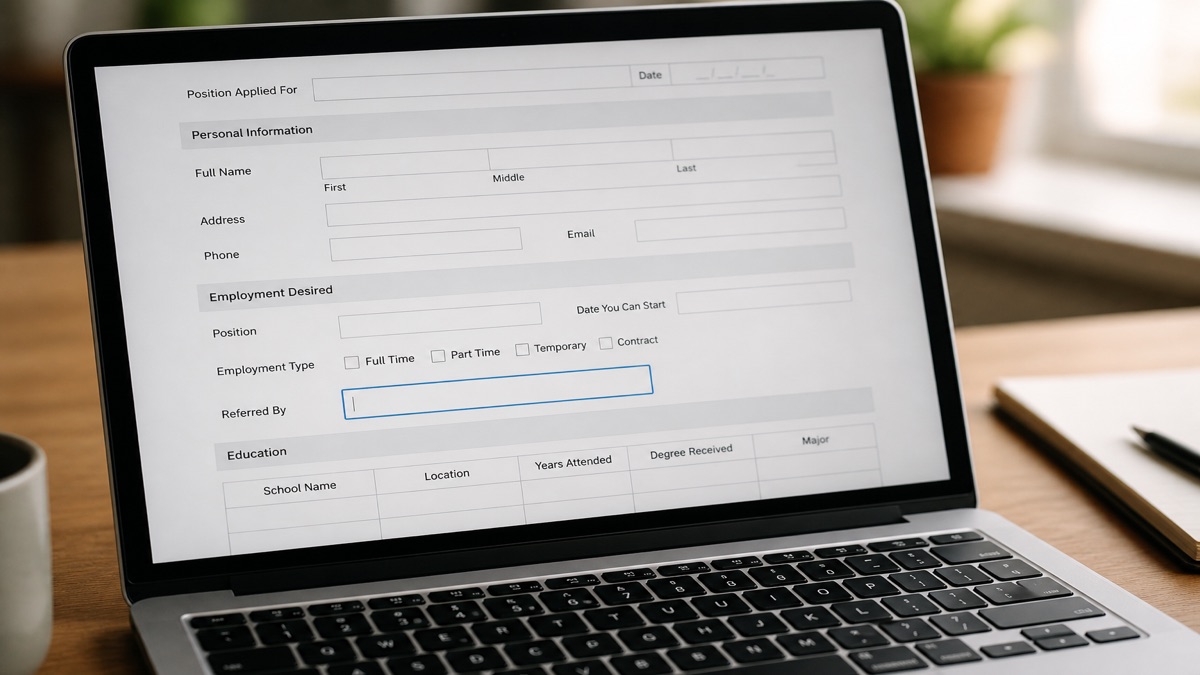
You're staring at a blank box labeled Referred by. You don't want to lie, but you don't want to leave it empty if it's required.
Before you ask someone to vouch for you, run your file through the free ATS resume checker so you're not attaching their name to a scrambled parse.
There's a second Referred you'll see in portals. That's a status update, not a question. This page covers both so you don't mix them up.
Quick wins
- Text the employee first. Ask them to submit you in their portal, then type their name.
- If you found the job yourself, write the real source. Blank beats a fake name.
- If status already says Referred, don't email the hiring manager unless the posting says you may.
Field vs status: two different Referreds
| Where you see it | What it means |
|---|---|
| Blank field on the application form | A question: who told you about this job or recommended you |
| Status in the application portal | An update: a recruiter passed your file to the hiring manager |
If your portal status changed to Referred, nothing is being asked of you. It's a positive step. It's not an interview invite, and there's no action beyond waiting.
Before: You treat Referred status like you still need to fill in the referred-by box again.
After: You know the recruiter already moved you forward and you wait for the next update.
Federal hiring uses similar language differently. For USAJobs, see what referred to hiring manager means on USAJobs .
What to type tonight
- Employee referred you: their full name after they've filed you in the internal portal. Tell them before you type it.
- Recruiter contacted you: recruiter name and agency or company.
- You found it yourself: LinkedIn, careers page, job fair, or university career center.
- Friend outside the company mentioned it: you can name them, but it's not an employee referral and carries no internal weight.
- Nothing applies: leave blank where optional. Blank beats invented.
Workday often asks How did you hear about us with a dropdown, then Please specify. Pick Employee referral only if someone actually submitted you. Greenhouse may show Who referred you as optional.
Copy-paste referral ask:
{`I saw Northwind posted lifecycle marketing, req #4412. It matches the retention work I did at my last role. Would you be comfortable referring me? I've attached a short blurb below you can paste. No problem at all if you'd rather not.`}
Send the posting link, requisition ID, two or three pasteable lines, and your resume as firstname-lastname-resume.pdf. Then tell them what happened afterward. People who never hear an outcome stop referring.
Answers that backfire
- A LinkedIn name you never spoke to: referrals get verified. A no from the employee is worse than no referral.
- A former employee: bonus programs almost always require current employment.
- Employee referral without an internal submit: typing a name alone rarely triggers the bonus or the queue bump.
- Referral in the resume header: keep it on the application. Headers are for name, city, phone, and email.
Before: Hey, do you know anyone hiring? I'm open to anything and would appreciate any introductions.
After: I noticed the platform analyst req #8821 matches my Looker work. Would you refer me if you're comfortable? Blurb and resume attached.
I've seen referral bonuses fail because the candidate applied first and the employee filed second. Ask them to submit you and note your existing application so records merge on one email address.
Before you ask for a referral
A referral gets your resume opened by a human. It doesn't skip parsing. Upload the file to the free ATS resume checker and confirm jobs, dates, and contact details extract cleanly before someone vouches for you.
Mention the referrer once in the application field, then use the cover letter generator for one sentence naming them in the opening line, not a paragraph of flattery.
Real source, real submit, clean file
What referred by means on a job application is a source field, not a promise. Type a real employee after they submit you internally, or type the board you used. Referred status means you already cleared a recruiter screen.
Then check your resume for free so the person referring you isn't attaching their name to a file the parser can't read.
Read more
Frequently asked questions
The source you actually found the job through: LinkedIn, the company careers page, or a job fair. Employers use this field for source attribution, so a real answer is useful to them. If the field is optional, leaving it blank is better than inventing a name.
Usually not on its own. Most referral programs require the employee to submit you through an internal portal before you apply, and the bonus is tied to that submission rather than to the text field. Tell the person first and let them refer you properly.
Yes. It means a recruiter reviewed your application and passed it to the hiring manager, which places you past the initial screen. It is not an interview invitation and there is no action for you to take, but it is a meaningfully better position than Under review.
Yes if they work for the company or its retained search firm. Write their name and recruiter outreach. Don't pick Employee referral unless an employee filed you in the bonus portal.