10 min read

How ATS Detects Role Fit: What Recruiters Actually See

September 2, 2026

Learn how ATS detects role fit and evaluates candidate suitability. Discover what algorithms scan, common mistakes, and best practices to improve your chances.

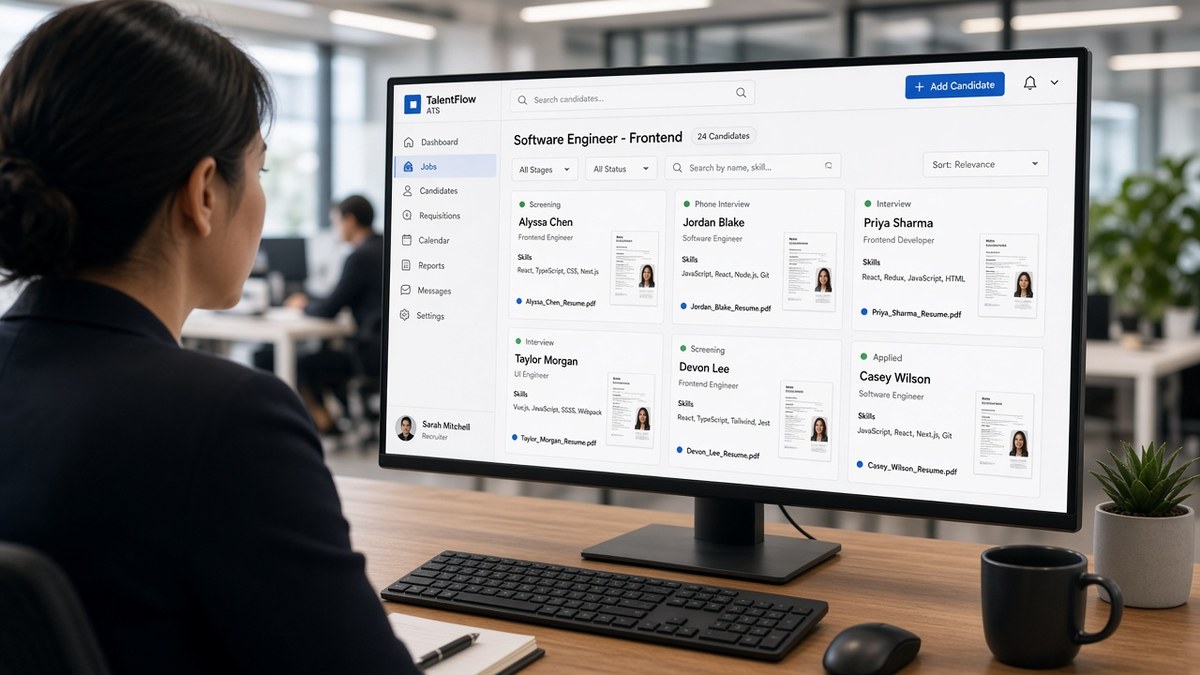
When you submit a resume online, it doesn't go straight to a human recruiter. Instead, it enters an Applicant Tracking System (ATS)—software that evaluates whether you're a good fit for the role before anyone reads your resume. Understanding how ATS detects role fit is critical because most applications are filtered automatically. If your resume doesn't align with what the ATS is looking for, you'll never reach a hiring manager, no matter how qualified you are.

How ATS detects role fit involves multiple layers: keyword matching, skill relevance assessment, experience evaluation, and career progression analysis. The system doesn't just count keywords—it analyzes context, evaluates whether your background matches the job requirements, and assigns a compatibility score. This score determines whether your application advances or gets rejected within seconds.

In this guide, you'll learn:

  • What signals ATS uses to evaluate role fit
  • How the algorithm prioritizes different resume sections
  • Common mistakes that tank your ATS score
  • Proven strategies to improve how ATS evaluates your candidacy
  • Step-by-step optimization techniques

Understanding How ATS Evaluates Role Fit

Role fit in ATS systems goes beyond simple keyword matching. The algorithm evaluates whether your experience, skills, and career trajectory align with the job's requirements and company expectations. Modern ATS platforms use machine learning to understand context—they know that "managed team" and "led department" are similar, and that a software engineer with 8 years of experience is different from one with 2 years, even if both have the same job title.

The system assigns weight to different factors. Technical skills typically carry more weight than soft skills. Relevant years of experience matter more than total years worked. Specific achievements matter more than generic responsibilities. When ATS detects role fit, it's essentially asking: Does this candidate have what the job requires, and do they have it at the right level?

Key Elements ATS Uses to Detect Role Fit

1. Skill Alignment and Relevance

ATS scans your resume for skills listed in the job description. But it doesn't just count matches—it evaluates context. If the job requires "Python" and you mention Python in a project description, that's weighted differently than listing it in a dedicated skills section. The system recognizes that demonstrating a skill through experience is stronger than simply claiming it.

The algorithm also understands skill relationships. If a job requires React and you have Vue experience, ATS recognizes these are related frontend frameworks, though React is a closer match. This contextual understanding means your resume isn't just scanned for exact keywords—it's analyzed for actual capability.

2. Years of Experience and Seniority Level

ATS calculates total relevant experience by analyzing job titles, dates, and descriptions. A job posting for a "Senior Developer" typically expects 5-8+ years. If your resume shows 3 years total experience, ATS flags this as a mismatch, even if you're technically capable. The system looks for progression—moving from junior to mid to senior roles suggests growth and capability.

Experience gaps are evaluated too. A 6-month gap might be ignored, but a 2-year gap triggers scrutiny. However, ATS can distinguish between a gap and intentional breaks (education, relocation, freelancing). The key is whether your timeline suggests continuous growth toward the target role.

3. Job Title Progression and Career Trajectory

ATS evaluates whether your career path makes sense for the role you're applying to. Moving from "Junior Developer" to "Senior Developer" to "Tech Lead" shows clear progression. Jumping sideways repeatedly or moving backward raises red flags. The system understands that lateral moves (same level, different company) are normal, but unexplained regressions suggest either gaps in the resume or overqualification concerns.

For career changers, ATS looks for bridge skills—experience that transfers to the new role. A project manager moving to product management is a logical transition; the system recognizes relevant skills even if the titles differ. But a sudden shift with no connecting skills appears risky to the algorithm.

4. Industry and Domain Expertise

ATS recognizes industry-specific terminology and evaluates whether your background matches the target industry. A fintech company hiring a backend engineer wants someone with financial services experience if possible. The system scans for industry keywords, company names, and domain-specific tools. Working at a competitor or in the same industry significantly improves your fit score.

However, ATS also understands transferable expertise. A developer from a healthcare startup moving to fintech has relevant experience even if the industries differ. The key is demonstrating that your technical foundation applies to the new domain.

How ATS Scores Role Fit: The Ranking Process

Most ATS platforms assign a numerical score (often 1-100) representing how well your resume matches the job. This score is calculated by weighing multiple factors. Required skills carry the highest weight—if you're missing critical requirements, your score drops significantly. Preferred skills add points but don't disqualify you. Experience level is weighted heavily; being overqualified or underqualified both reduce your score, though underqualification hurts more.

The algorithm also considers recency. Recent experience in the required skills is valued more than outdated experience. A developer who used Python last year ranks higher than one who used it five years ago, even if both have Python on their resume. This prevents false positives from candidates whose skills have atrophied.

Finally, ATS evaluates consistency and coherence. A resume that tells a clear story—consistent growth, logical transitions, relevant skill building—scores higher than one that appears scattered. The system recognizes that candidates with focused career paths are more likely to succeed in specific roles.

Common Mistakes That Lower Your Role Fit Score

  • Keyword stuffing without context: Listing required skills in your skills section but never mentioning them in your experience descriptions signals to ATS that you don't actually have that experience. The algorithm cross-references skills with achievements to verify legitimacy.
  • Vague job descriptions: Writing "Responsible for various tasks" tells ATS nothing about your actual capabilities. The system needs specific, measurable achievements to evaluate your fit. Quantified results ("Reduced load time by 40%") provide concrete evidence of skill.
  • Misaligned experience levels: Applying for senior roles with junior experience, or junior roles with senior experience, both reduce your fit score. ATS expects reasonable alignment. If you're overqualified, the system flags flight risk; if underqualified, it flags capability concerns.
  • Inconsistent or unclear job titles: Using non-standard titles makes it harder for ATS to evaluate your level. "Software Engineer II" is clearer than "Tech Specialist." If your titles don't clearly indicate progression, your fit score suffers.
  • Gaps in relevant skills: If the job requires five core technologies and you have three, ATS immediately identifies the gap. Even if you're qualified to learn the missing skills, the system prioritizes candidates who already have them.
  • Outdated experience emphasis: Spending half your resume on a role from 10 years ago while barely mentioning recent work confuses the algorithm. ATS prioritizes recent experience; older roles should be brief unless they're directly relevant.

Best Practices to Improve How ATS Detects Your Role Fit

  • Mirror job description language: Use the exact terminology from the job posting in your resume. If they say "full-stack development," use that phrase. If they specify "Agile methodology," mention it in your experience. ATS recognizes exact matches more reliably than synonyms.
  • Quantify achievements with metrics: Instead of "Improved system performance," write "Optimized database queries, reducing API response time by 35%." Numbers give ATS concrete evidence of impact and skill level. Quantified achievements score significantly higher than vague descriptions.
  • Lead with recent, relevant experience: Place your most recent and most relevant roles prominently. ATS weights recent experience more heavily, so your current role should showcase the skills the job requires. Bury older, less relevant positions lower on your resume.
  • Use a clear skills section: Create a dedicated skills section listing technical and relevant soft skills. ATS scans this section explicitly, and clear organization helps the algorithm identify what you can do. List skills in order of relevance to the target role.
  • Show progression and growth: Demonstrate that your responsibilities and impact increased over time. Moving from "Developer" to "Senior Developer" to "Tech Lead" tells ATS you've grown into more complex roles. This progression suggests you're ready for the next level.
  • Connect achievements to skills: When describing achievements, explicitly name the skills you used. "Led API redesign using Node.js and PostgreSQL, improving throughput by 50%" connects the achievement to specific technologies. ATS cross-references these connections to verify skill claims.
  • Maintain consistent formatting: Use consistent date formats, consistent bullet point structure, and consistent section organization. ATS parsing is more reliable with consistent formatting, reducing the chance of misinterpreted information.
  • Optimize for the specific job: Tailor your resume to each application. Reorder your skills section to match the job's priorities. Emphasize different achievements based on what the role requires. Generic resumes score lower than tailored ones.

Step-by-Step Guide: Optimizing for ATS Role Fit Detection

  1. Analyze the job description: Extract all required skills, preferred qualifications, and key responsibilities. Note the exact terminology used. Create a checklist of what the role requires.
  2. Audit your experience: Review your resume and identify which of your experiences directly address the job requirements. Flag gaps where you lack required skills or experience levels.
  3. Reorder your skills section: Place skills that match the job description at the top. Lead with the most important matches. Remove skills unrelated to the target role if space is limited.
  4. Enhance relevant job descriptions: Expand descriptions of roles that align with the target position. Add metrics and specific technologies used. If a role is less relevant, condense it.
  5. Add missing context: If you have relevant skills but didn't mention them in a particular role, add them now. For example, if you used Python in a project but didn't explicitly state it, add it to that job's description.
  6. Verify progression: Ensure your titles and responsibilities show clear growth. If you've had lateral moves, explain the value (new industry, expanded skills, etc.) in your descriptions.
  7. Test for keywords: Use a free ATS scanner tool to see how your resume parses. Check that all critical keywords appear in parseable text (not images or graphics). Ensure the system correctly identifies your skills and experience.
  8. Customize and submit: Make final adjustments based on the specific job. Save as PDF (unless the application specifies otherwise). Submit through the official application portal, not email, so ATS processes it correctly.

Conclusion: Taking Control of Your ATS Score

How ATS detects role fit is no longer a mystery. The system evaluates skills, experience level, career progression, and industry alignment using weighted algorithms that prioritize technical qualifications and recent, relevant experience. Understanding this process puts you in control. Instead of hoping your resume reaches a human, you can optimize it to pass ATS evaluation with confidence.

The most effective strategy is tailoring your resume to each job while maintaining authenticity. Mirror the job description's language, quantify your achievements, and lead with your most relevant experience. Use a clear skills section, show career progression, and ensure consistent formatting. These practices align your resume with how ATS actually evaluates candidates.

Start by auditing your current resume against a recent job posting. Identify gaps in how you're presenting your qualifications. Make targeted improvements, then test your optimized resume with a free ATS scanner. With each application, you'll refine your approach and increase the likelihood of passing ATS screening. Your goal isn't just to match keywords—it's to present a compelling case that you're genuinely qualified for the role.

Frequently asked questions

ATS evaluates your experience level against the job's requirements by analyzing job titles, years of experience, and the complexity of achievements. If you have 15 years of experience for an entry-level role, the system flags overqualification—suggesting you might leave quickly. If you have 1 year for a senior role, it flags underqualification. The algorithm learns from hiring data; companies that hired overqualified candidates and saw them leave quickly teach the system to penalize overqualification. ATS aims to match candidates at the right level for retention and performance.

Modern ATS systems with machine learning can infer skills from context. If you describe a project using specific technologies, the system recognizes those as skills you possess. However, relying on inference is risky. Explicitly listing skills in a dedicated section ensures the ATS recognizes them. The safest approach is to mention skills both in your skills section and in relevant job descriptions. This redundancy ensures the algorithm captures your capabilities even if parsing is imperfect.

ATS doesn't automatically reject candidates with gaps, but it does flag them for review. The system evaluates the gap's length and context. A 3-month gap between jobs is typically ignored. A 1-year gap raises questions. A 2+ year gap significantly impacts your fit score unless you explain it (education, sabbatical, freelancing). The key is that unexplained gaps suggest potential issues. If you have a gap, address it in your resume or cover letter so ATS and recruiters understand the context.

Order matters significantly for ATS evaluation. The system weights information differently based on position. Your most recent role and most relevant skills should appear first. ATS assumes the top of your resume is your strongest match for the job. If you bury critical experience halfway down, it may be underweighted. Additionally, humans reading your resume (if it passes ATS) also see your strongest qualifications first, which improves their perception. Strategic ordering benefits both algorithm and human evaluation.

ATS weighs technical skills much more heavily than soft skills. If a job requires Python, the system prioritizes candidates who have Python. Soft skills like "communication" or "leadership" are harder for ATS to verify and carry less weight. However, soft skills matter when technical qualifications are similar. If two candidates have identical technical skills, the one with demonstrated leadership (shown through promotions or achievements) scores higher. The takeaway: emphasize technical skills for ATS, but include soft skills to differentiate when technical qualifications are equal.

Applying multiple times typically hurts rather than helps. ATS systems track applications and may penalize duplicate submissions, viewing them as spam or desperation. Recruiters also see repeated applications, which creates a negative impression. Instead, apply once with a well-optimized resume. If you want to reapply, wait several weeks and significantly improve your resume based on feedback or new experience. Quality of application matters far more than quantity.

Tags

how ATS detects role fitATS role matchingresume screeningjob fit algorithmATS evaluationcandidate matchingresume rankingjob application filtering