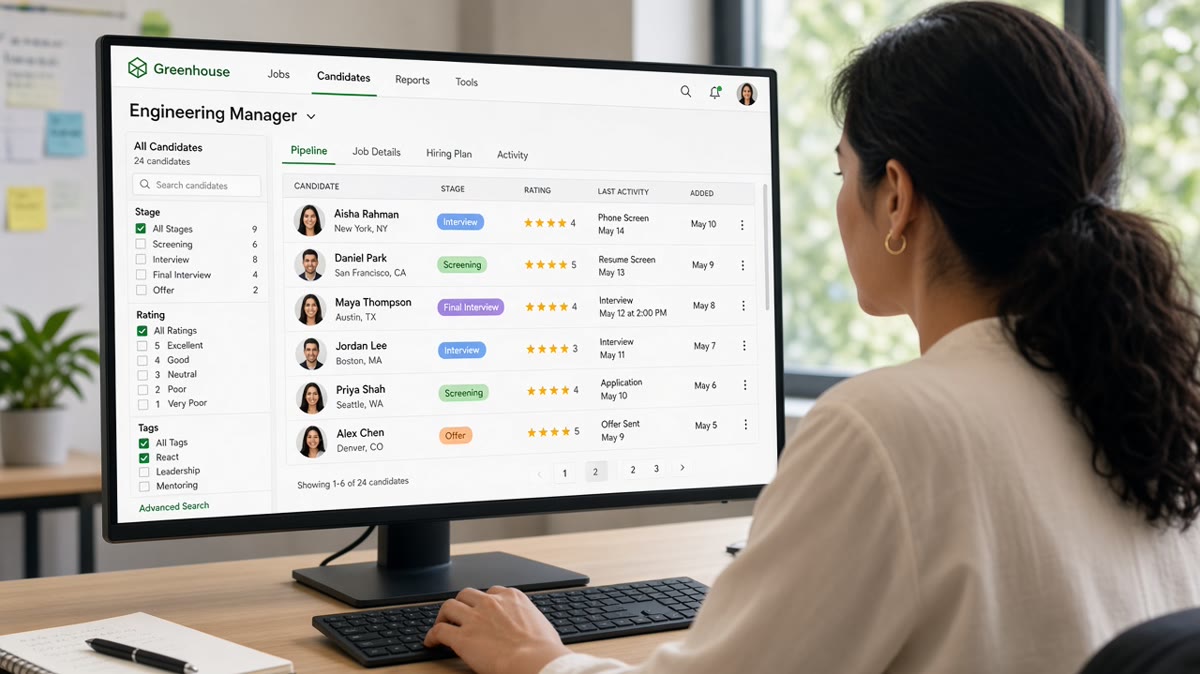
In the fast-paced world of job applications, understanding how recruiters sort candidates on job sites can be the difference between landing your dream job and languishing in the digital pile. With thousands of applicants vying for attention in every open position, recruiters rely heavily on technology and specific strategies to filter and find the best candidates. For job seekers, knowing these methods can transform your approach and significantly improve your chances of success.
Consider this: an average corporate job opening attracts 250 resumes, but recruiters often spend just seven seconds reviewing each one. This alarming statistic highlights the intense competition and the critical need for strategic resume and application optimization. By the end of this guide, you will understand the tools and techniques recruiters use, how to make your application stand out, and actionable strategies to navigate the job market effectively.
- Discover the technological tools recruiters employ, like ATS systems.
- Learn key elements of a standout application.
- Understand common pitfalls and how to avoid them.
- Explore advanced tips and real-world examples to enhance your job search strategy.
Why Understanding How Recruiters Sort Candidates Matters
Understanding how recruiters sort candidates on job sites is crucial because it directly impacts your job search strategy. Recruiters are tasked with sifting through hundreds, sometimes thousands, of applications to find the most qualified candidates. They use advanced systems and strategies to streamline this process, making it essential for candidates to align their applications with these methodologies.
When you comprehend the sorting process, you can tailor your resume and job application to meet the specific criteria recruiters are looking for. For instance, knowing that an ATS (Applicant Tracking System) might be the first barrier your resume faces, you can ensure that your application is optimized for such systems. This includes using specific keywords, formatting your resume correctly, and structuring your information in a way that highlights your most relevant skills and experiences.
Moreover, understanding recruiters' processes can help you navigate the often opaque job market. This knowledge empowers you to be proactive in your job search, allowing you to anticipate challenges and strategically position yourself as the ideal candidate. By aligning your job search approach with the sorting methods of recruiters, you increase your chances of progressing to the interview stage significantly.
Key Elements of the Candidate Sorting Process
Utilizing ATS Systems
Applicant Tracking Systems (ATS) are a critical tool in the recruiter’s arsenal. These systems help manage the overwhelming number of applications by automating the initial sorting process. They filter resumes based on specified keywords, skills, and qualifications that match the job description. For candidates, this means that understanding how ATS systems work is vital for getting past this first hurdle.
To optimize your resume for ATS, ensure that you use clear, concise language and include relevant keywords from the job description. Avoid complex formatting, as ATS systems can struggle with non-standard layouts. The goal is to make your application easily readable, both for the system and the recruiter who might review it later.
The Role of Job Descriptions
Job descriptions are more than just a list of responsibilities; they are a blueprint for what the employer is looking for in a candidate. Recruiters use these descriptions as a benchmark to sort and evaluate applicants. As a job seeker, analyzing job descriptions carefully can provide insights into which skills and experiences to highlight in your application.
When crafting your resume and cover letter, mirror the language and terms used in the job description. This not only helps in ATS optimization but also makes it clear to human recruiters that you have the specific qualifications they seek. Tailoring your application to each job description demonstrates attention to detail and a genuine interest in the position.
Employer Branding and Culture Fit
Beyond skills and qualifications, recruiters also consider how well a candidate will fit into the company culture. This aspect of sorting candidates is subjective and often assessed during interviews, but it begins with your application. Recruiters look for clues in your resume and cover letter that indicate whether your values and work style align with the company’s culture.
To enhance your application in this regard, research the company’s values, mission, and work environment. Reflect these insights in your cover letter and resume by highlighting experiences that demonstrate your compatibility with their culture. This not only helps in getting your application noticed but also ensures that you are applying to organizations where you are likely to thrive.
Common Mistakes to Avoid in Job Applications
While many candidates focus on perfecting their resumes, there are common pitfalls that can derail even the most qualified applicants. Understanding these mistakes and how to avoid them is crucial.
- Overlooking Keywords: Failing to include keywords from the job description can prevent your resume from passing ATS filters.
- Complex Formatting: Using intricate designs and graphics can confuse ATS systems, causing your application to be rejected.
- Generic Applications: Sending the same resume and cover letter to multiple employers without customization shows a lack of effort and interest.
- Ignoring the Cover Letter: A cover letter is an opportunity to make a personal connection and explain why you’re the right fit; skipping it can be a missed opportunity.
- Spelling and Grammar Errors: Mistakes in your application can suggest a lack of attention to detail and professionalism.
- Neglecting Online Presence: Recruiters often check social media profiles; ensure they reflect a professional image.
- Failing to Quantify Achievements: Numbers and metrics provide concrete evidence of your accomplishments, making your resume more compelling.
Best Practices for Job Applications
To improve your chances of being sorted favorably by recruiters, it’s important to adhere to best practices that align with their processes.
- Customize Each Application: Tailor your resume and cover letter for each position to demonstrate genuine interest and alignment with the role.
- Use Keywords Strategically: Incorporate keywords naturally throughout your resume to pass ATS screening.
- Keep Formatting Simple: Use a clean, simple format that is easy for ATS systems to read.
- Highlight Relevant Skills: Focus on the skills and experiences that are most relevant to the job description.
- Include a Professional Summary: A concise summary at the top of your resume can quickly communicate your qualifications and career goals.
- Proofread Carefully: Ensure there are no spelling or grammar errors that could detract from your professionalism.
- Optimize Online Profiles: Make sure your LinkedIn and other professional profiles are up-to-date and reflect your skills and experience accurately.
- Network Strategically: Leverage your network to gain insights into the company and potentially secure a referral.
Real-World Scenarios: Successful Job Applications
Case Study: Tailored Applications
Emily was a marketing professional looking to transition into a digital marketing role. She meticulously tailored each application by incorporating keywords from the job descriptions and providing specific examples of her achievements. Her attention to detail and customized applications quickly caught the attention of recruiters, leading to several interview opportunities and eventually a job offer.
Case Study: Overcoming ATS Challenges
James, an IT specialist, struggled to get past ATS systems due to complex resume formatting. After simplifying his resume and focusing on keyword optimization, he saw a significant increase in interview requests. This change in strategy demonstrated the importance of understanding and adapting to ATS requirements.
Advanced Tips for Optimizing Job Applications
- Leverage Data Analytics: Use analytics tools to track application submissions and responses to refine your approach.
- Develop a Portfolio: Create an online portfolio showcasing your work to provide tangible evidence of your skills.
- Engage with Recruiters on LinkedIn: Build relationships with recruiters by engaging with their content and sharing your insights.
- Practice Interview Skills: Prepare for interviews by practicing common questions and refining your responses.
- Seek Feedback: Ask for feedback on your resume from peers or mentors to identify areas for improvement.
- Attend Industry Events: Networking at industry events can provide valuable connections and insights into job openings.
- Stay Informed: Keep up with industry trends to demonstrate your knowledge and passion in interviews and applications.
Step-by-Step Guide: Crafting a Winning Job Application
Crafting an effective job application involves several strategic steps. Follow this guide to enhance your chances of success:
- Analyze the Job Description: Identify key skills, qualifications, and keywords.
- Customize Your Resume: Tailor your resume to highlight relevant experiences and skills, incorporating identified keywords.
- Write a Compelling Cover Letter: Address the hiring manager by name and explain why you’re the perfect fit for the role.
- Optimize for ATS: Use simple formatting and ensure all necessary information is easily accessible.
- Review and Proofread: Carefully check for errors and ensure clarity and professionalism.
- Submit Your Application: Follow submission instructions carefully to ensure your application is considered.
- Follow Up: Send a polite follow-up email to express your interest and inquire about the hiring timeline.
Tools and Resources for Job Seekers
Leveraging the right tools and resources can significantly enhance your job search strategy and application optimization efforts.
- LinkedIn: A robust platform for networking, job searching, and showcasing your professional achievements.
- Resume Builders: Tools like Canva and Resume.io offer templates and guidance for creating ATS-friendly resumes.
- Job Search Engines: Websites like Indeed and Glassdoor provide access to numerous job listings and company reviews.
- ATS Optimization Tools: Services like Jobscan analyze your resume against job descriptions to improve ATS compatibility.
- Interview Prep Tools: Platforms like Big Interview offer practice questions and feedback to boost your interview skills.
Conclusion
Understanding how recruiters sort candidates on job sites is an invaluable aspect of the job search process. By aligning your application strategy with the methods used by recruiters, you can significantly enhance your chances of success. This involves optimizing your resume for ATS, tailoring your applications to specific job descriptions, and demonstrating a strong cultural fit with potential employers.
By avoiding common mistakes and adhering to best practices, you position yourself as a top candidate in a competitive market. Utilize the tools and resources available to you, engage in strategic networking, and continuously refine your approach to stay ahead. With dedication and the right strategies, you can effectively navigate the job market and achieve your career goals.
Frequently asked questions
An Applicant Tracking System (ATS) is a software application used by recruiters to manage job applications. It automates the sorting process by scanning resumes for keywords, skills, and experiences that match the job description. This helps recruiters quickly identify qualified candidates. To navigate ATS successfully, ensure your resume includes relevant keywords and follows a simple format.
To make your resume stand out in an ATS, use a clean and simple format, incorporate relevant keywords from the job description, and ensure that your contact information is accurate. Highlight your most pertinent skills and experiences, and consider using bullet points to organize information clearly. Avoid using images or complex formatting that could confuse the ATS.
A cover letter should complement your resume by providing a personal narrative that explains why you are the best fit for the job. Include a brief introduction, the reasons you are interested in the position, specific examples of your skills and achievements, and a closing statement expressing enthusiasm for the opportunity to interview. Personalize each cover letter for the job you are applying for.
Networking is a crucial component of the job search process. Many job opportunities are filled through referrals and connections rather than public job postings. Building a professional network can provide valuable insights into job openings and increase your chances of receiving referrals. Engage with professionals in your industry through networking events, social media, and professional organizations.
Improving your online professional presence involves maintaining up-to-date profiles on platforms like LinkedIn, showcasing your skills and experiences through an online portfolio, and engaging in industry-related discussions. Ensure that your online presence is professional and consistent across platforms, and consider sharing relevant articles and insights to demonstrate your expertise and interest in your field.
Done for you
Turn this advice into an interview-ready resume
Professional writers rebuild your resume for ATS + recruiters — unlimited revisions, interview guarantee.