9 min read

How Application Volume Changes Hiring Decisions

September 2, 2026

Explore how fluctuating application volumes impact hiring decisions, from ATS systems to recruiter strategies, and learn effective job search tips.

The job market is a dynamic environment where the volume of applications can significantly impact hiring decisions. Employers often face the challenge of sifting through hundreds or even thousands of resumes, which can complicate the selection process. Understanding how application volume affects hiring decisions is crucial for both job seekers and recruiters. This article delves into the nuances of application volume, providing insights into how it shapes hiring strategies and offering actionable advice for job seekers to optimize their applications.

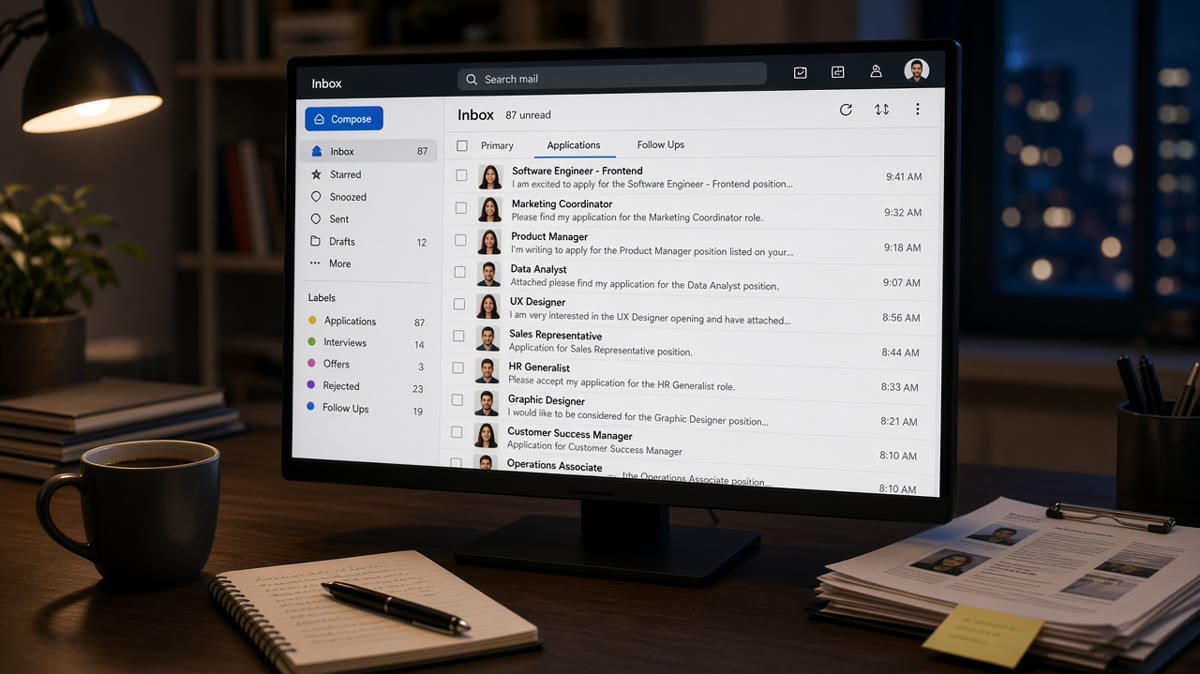
Consider this: a single job posting can attract over 250 applications on average, according to industry reports. This inundation of resumes means that hiring managers and recruiters have limited time to review each application thoroughly. Consequently, the way they approach hiring decisions is heavily influenced by the number of applications they receive. In this comprehensive guide, we will explore the effects of application volume on hiring practices, the role of Applicant Tracking Systems (ATS), and strategies for job seekers to stand out in a crowded field.

Readers will gain insights into:

  • How high application volumes influence recruiter priorities.
  • The impact of ATS on resume visibility.
  • Effective resume optimization techniques.
  • Common mistakes that can derail a job application.
  • Advanced tips for navigating competitive job markets.

Understanding Application Volume

Application volume refers to the number of job applications received by employers for a given position. This volume can vary widely depending on factors such as industry, job role, and economic conditions. For instance, entry-level positions in popular sectors like technology or finance may see higher application volumes compared to niche roles requiring specialized skills.

The sheer number of applications can overwhelm hiring teams, leading to the implementation of automated systems like ATS to streamline the process. With more applications to review, recruiters must prioritize efficiency, often focusing on key qualifications and keywords that align with the job description.

In high-volume scenarios, recruiters may only spend an average of 7 seconds scanning each resume. This underscores the importance of having a well-structured, keyword-rich resume that quickly communicates your qualifications. Job seekers must understand that their applications must not only be comprehensive but also strategically tailored to cut through the noise.

Impact on Hiring Decisions

The volume of applications directly impacts hiring decisions by influencing how recruiters prioritize candidates. In high-volume situations, the focus often shifts to filtering out unqualified candidates quickly. This is where ATS play a critical role. These systems automate the initial screening process by scanning resumes for relevant keywords and qualifications, effectively narrowing down the candidate pool.

For recruiters, high application volumes necessitate a strategic approach to candidate selection. They must balance the need for thorough evaluations with the pressure to fill positions promptly. This often results in a tiered review process where only resumes that pass the initial ATS screening are reviewed by human eyes.

Additionally, high application volumes can lead to more stringent criteria for candidate selection. Recruiters might prioritize specific educational backgrounds, certifications, or work experiences to efficiently manage the applicant pool. Understanding these criteria can help job seekers tailor their applications to meet the expectations set by employers.

Role of ATS Systems in Screening

Applicant Tracking Systems are pivotal in managing high application volumes. These systems are designed to automate the initial stages of candidate screening, ensuring that only the most relevant applications reach the recruiter's desk. By scanning resumes for specific keywords, skills, and experiences, ATS systems can quickly eliminate resumes that do not match the job description.

Job seekers must optimize their resumes for ATS by incorporating relevant keywords and phrases found in the job listing. This includes tailoring the resume's language to match the job description closely and ensuring that vital information is easily accessible. For instance, using standard headings like 'Work Experience' and 'Education' helps ATS systems categorize and evaluate content effectively.

An ATS-friendly resume is more likely to survive the initial cut and proceed to a human review. Therefore, understanding how these systems work and what they prioritize is essential for job seekers aiming to enhance their chances of success in a competitive job market.

Common Mistakes to Avoid

Navigating a high-volume application environment requires precision and awareness. Job seekers often make mistakes that can hinder their chances of progressing in the hiring process. Here are some common pitfalls to avoid:

  • Not customizing resumes for each application: Using a generic resume can result in missed opportunities to highlight specific skills relevant to the job.
  • Overlooking keyword optimization: Failure to include industry-specific keywords may lead to ATS rejections.
  • Ignoring formatting guidelines: Non-standard formats can confuse ATS systems, leading to incorrect data parsing.
  • Submitting incomplete applications: Missing information or documents can eliminate candidates from consideration.
  • Neglecting to follow up: A lack of follow-up after submission can reduce visibility and interest from recruiters.

By avoiding these common mistakes, job seekers can improve their chances of standing out in a crowded application pool and making a positive impression on hiring teams.

Best Practices for Job Applications

To succeed in environments with high application volumes, job seekers should adhere to best practices that enhance their application visibility and effectiveness. Here are some do's and don'ts to consider:

  • Do tailor each resume to the specific job description to highlight relevant skills and experiences.
  • Do use clear and concise language that aligns with industry terminology and ATS requirements.
  • Do ensure that your contact information is up-to-date and professional.
  • Don't include irrelevant personal information that does not contribute to your professional qualifications.
  • Don't use overly complex designs or graphics that may hinder ATS readability.
  • Do maintain consistency in formatting to ensure readability by both ATS and human reviewers.
  • Do follow up with a polite email or call to express continued interest in the position.
  • Don't neglect to proofread your application for errors or inconsistencies.

By following these best practices, candidates can enhance their application quality, thereby increasing their chances of being noticed and selected for interviews.

Real-World Scenarios

Understanding the impact of application volume on hiring decisions can be further enhanced by exploring real-world scenarios. Consider the following cases:

In a large tech company, a software developer position receives over 500 applications. The company uses an ATS to filter applications based on specific technical skills such as Java, Python, and React. Candidates whose resumes incorporate these keywords effectively are prioritized for further review.

In contrast, a small startup receives only 50 applications for a marketing role. With fewer applications, the hiring manager can afford to spend more time on each resume, allowing for a more personalized and nuanced evaluation of candidates' creative portfolios and past campaign successes. This scenario highlights how application volume can affect the depth of candidate assessment.

Another example involves a non-profit organization hiring a project manager. Due to the specific nature of the role, the organization receives a moderate number of applications. The hiring team emphasizes alignment with the organization's mission and values, using both ATS filtering and manual review to identify candidates who demonstrate a strong commitment to non-profit work.

Advanced Tips for Job Seekers

For those looking to gain an edge in competitive job markets, advanced strategies can make a significant difference. Consider these tips:

  • Enhance your online presence: Maintaining a professional LinkedIn profile and engaging with industry-related content can attract recruiters.
  • Network proactively: Attend industry events, webinars, and workshops to connect with potential employers and industry peers.
  • Utilize personal branding: Develop a unique personal brand that highlights your skills, values, and professional goals.
  • Seek referrals: Reach out to contacts within the company to provide referrals, increasing the likelihood of your application being noticed.
  • Leverage informational interviews: Conduct informational interviews with industry professionals to gain insights and build connections.
  • Stay informed: Keep up-to-date with industry trends and news to demonstrate your knowledge and passion in interviews.

These advanced tips help job seekers differentiate themselves from the competition, showcasing their proactive approach and commitment to career advancement.

Step-by-Step Guide to Optimizing Your Job Application

Optimizing your job application is key to standing out in high-volume scenarios. Follow this step-by-step guide to enhance your application:

  1. Research the Company: Understand the company's culture, values, and the specific role to tailor your application effectively.
  2. Analyze the Job Description: Identify key skills and qualifications mentioned and incorporate them into your resume and cover letter.
  3. Customize Your Resume: Highlight relevant experiences and achievements that align with the job requirements.
  4. Optimize for ATS: Use industry-specific keywords and standard formatting to ensure your resume passes ATS screening.
  5. Craft a Compelling Cover Letter: Express your enthusiasm for the role and company, and provide specific examples of how you can contribute.
  6. Proofread Your Application: Check for errors and ensure consistency in formatting and information.
  7. Submit and Follow Up: After submitting your application, follow up with a polite email expressing continued interest in the position.

Following these steps can enhance the effectiveness of your job application, increasing your chances of being selected for an interview.

Tools and Resources for Job Seekers

Leveraging the right tools and resources can significantly enhance your job application process. Consider these options:

  • Resume Builders: Tools like ResumeGenius and Zety offer templates and guidance for creating ATS-friendly resumes.
  • Job Search Platforms: Websites such as LinkedIn, Indeed, and Glassdoor provide job listings and company reviews.
  • Networking Platforms: Use LinkedIn to connect with industry professionals and participate in relevant groups.
  • Skill Development: Platforms like Coursera and Udemy offer courses to enhance your skills and certifications.
  • Interview Preparation: Resources like Big Interview provide practice questions and interview tips.

These tools and resources are invaluable for job seekers aiming to improve their application quality and increase their chances of landing their desired roles.

Conclusion

In conclusion, the volume of job applications significantly influences hiring decisions, shaping how recruiters and hiring managers approach candidate selection. By understanding the impact of application volume, job seekers can tailor their strategies to increase the chances of success. From optimizing resumes for ATS to leveraging networking opportunities, there are numerous ways to stand out in a crowded job market.

Awareness of common mistakes and adherence to best practices can further enhance application quality, ensuring that candidates present themselves as the best fit for their desired roles. As the job market continues to evolve, staying informed and adaptable remains essential for achieving career goals.

Frequently asked questions

High application volumes can extend hiring timelines as recruiters need more time to review and shortlist candidates. This can delay the entire recruitment process and may lead to candidates experiencing longer waiting periods before receiving feedback or interview invitations.

To stand out, tailor your resume to match the job description, include relevant keywords, and highlight accomplishments with quantifiable results. Additionally, ensure your resume is well-organized, easy to read, and formatted for ATS compatibility.

Tailoring your resume ensures that it aligns closely with the specific skills and qualifications required by the job. This increases the likelihood of passing initial ATS screenings and catching the attention of recruiters looking for specific competencies.

Optimize your resume by using clear headings, incorporating relevant keywords from the job description, and avoiding complex formatting. Use standard fonts and avoid images or graphics that may disrupt ATS parsing.

Keywords are crucial as they are used by ATS to filter applications. Including relevant keywords ensures that your resume is flagged as a match for the job, increasing the chances of progressing to the next stage of the hiring process.

Networking can provide referrals and insider knowledge about job openings. Connections within a company can advocate for your application, increasing its visibility and potentially expediting the hiring process.

Effective follow-up involves sending a polite email expressing gratitude for the opportunity and reiterating your interest in the position. Timing is key; follow up a week after submission unless a specific timeline is provided by the company.

Tags

application volumehiring decisionsATS systemsresume optimizationjob search strategies